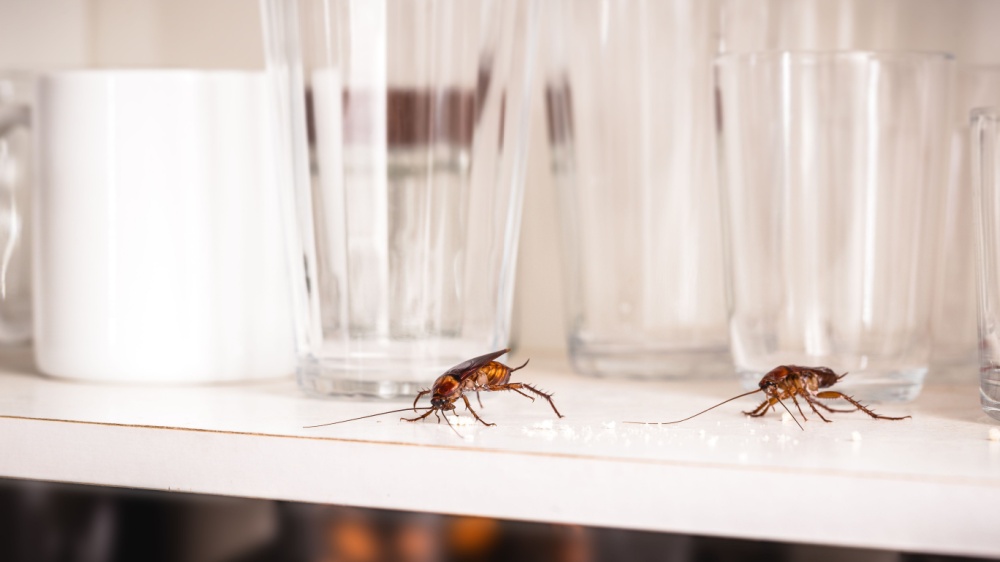
Everything was fine for weeks—maybe months—and then suddenly your Encinitas home seems to be under siege. Ants in the kitchen, spiders in the garage, cockroaches near the back door, and something small crawling across the bathroom floor. The sudden surge feels random, but it is almost always tied to a specific trigger that changed the equation between the pest populations outside your home and the conditions inside it. Here is what typically causes the sudden increase in pest activity that Encinitas homeowners experience—and what to do about it.
A Weather Event Changed the Landscape
This is the most common trigger for a sudden pest surge in coastal North San Diego County—and it catches homeowners off guard because Encinitas weather is so consistently mild that any disruption has an outsized effect.
- Rain: Encinitas averages only about 10 to 12 inches of rain per year, but when it comes, it often comes in concentrated storm events during winter and early spring. That sudden saturation floods ant tunnels in the soil near your foundation, displaces colonies, and pushes insects toward the nearest dry shelter—your home. After a significant rain event, ant trails that were absent for months can appear overnight. Cockroaches that were content in exterior harborage move toward drier interior spaces. Earwigs and silverfish that thrive in damp conditions increase in activity.
- Dry heat: The opposite trigger works just as effectively. During Santa Ana wind events—the hot, dry offshore winds that hit San Diego County periodically—humidity drops sharply and temperatures spike. Pests that depend on moisture—ants, cockroaches, and various small insects—seek the cooler, moister interior of your home. Kitchen sinks, bathroom faucets, and any interior water source become primary targets.
- Seasonal transitions: Even in Encinitas’s mild climate, subtle seasonal shifts trigger pest behavior changes. The warming trend in March and April increases ant foraging range and accelerates insect reproduction. Drywood termite swarming typically peaks in September and October. Rodent activity may increase slightly in the cooler winter months when interior warmth becomes more attractive.
Something Changed on the Property
If the weather has been stable and the pest surge still happened, look at what changed on or near your property:
- Landscaping work: Pruning, mulching, soil disturbance, or tree removal disrupts established pest habitat and pushes displaced insects and spiders toward the home. New mulch—particularly organic mulch applied heavily against the foundation—creates moist harborage that attracts ants and moisture-dependent pests.
- Irrigation changes: Adjusting the watering schedule, adding new sprinkler heads, or repairing a broken line can change the moisture profile around the foundation. More moisture near the house means more ant nesting habitat closer to your entry points.
- A neighbor’s activity: If a neighboring property had pest treatment, fumigation, or significant landscaping work, displaced pests may have migrated to your property.
- Construction or renovation: Any work that opens walls, disturbs soil, or creates new entry points can trigger a pest surge by exposing previously sealed spaces to the exterior environment.
The Pest Barrier Degraded
If your home was previously under professional pest control and you stopped service—or if a significant amount of time has passed since your last treatment—the exterior barrier that was keeping pests out has degraded. Professional-grade barrier treatments maintain effectiveness for weeks, but they do not last indefinitely. Once the barrier is gone, the pest populations that were being intercepted at the perimeter resume their activity at the home’s entry points.
This is one of the most common causes of the “all of a sudden” experience. The pests did not arrive all at once. They have been present on the property the entire time. The barrier that was keeping them out stopped working, and the activity that was being prevented became visible.
What to Do About It
Step one is identifying the trigger—weather event, property change, or barrier degradation. Step two is professional treatment that addresses the current activity and re-establishes the barrier.
Kennedy Pest Control provides free inspections for Encinitas properties. The inspection identifies what pests are present, what triggered the surge, and what treatment is needed to bring the situation under control. One-time and bi-monthly service options are available.
If your Encinitas home suddenly has more pest activity than you have seen in months, contact Kennedy Pest Control for a free inspection and find out what changed—and how to fix it.