Termite treatment is one of the most significant pest-related investments a San Diego County homeowner will make—and one of the most variable in cost. The price depends on the termite species, the treatment method required, the size of the structure, and the extent of the infestation. Understanding what drives termite treatment pricing helps you evaluate quotes accurately and make an informed decision when the time comes. Here is an honest breakdown of what termite treatment costs in the San Diego area and why the range is so wide.
Why Termite Treatment Costs More Than General Pest Control
General pest control—covering ants, spiders, cockroaches, and common household insects—involves applying products to the exterior perimeter and targeted interior locations on a recurring schedule. The products, equipment, and time required per visit are relatively standardized.
Termite treatment is a different category of work. It may require specialized equipment (heating units for thermal treatment, tenting, and gas delivery systems for fumigation), specialized licensing (California requires separate Branch 1 licensing for fumigation and Branch 3 for general pests), multiple days on-site, and structural repair after treatment. The cost reflects that added complexity, licensing, equipment, and time.
Treatment Methods and How They Affect Cost
San Diego County homeowners typically encounter three treatment options for termites. Each has a different cost profile:
Spot treatment (localized chemical treatment)
Spot treatment involves applying termiticide directly to the infested area—injecting it into the wood, into wall voids, or into the soil adjacent to the foundation for subterranean termites. It is the least expensive treatment option and is appropriate when the infestation is localized to a specific, accessible area of the home.
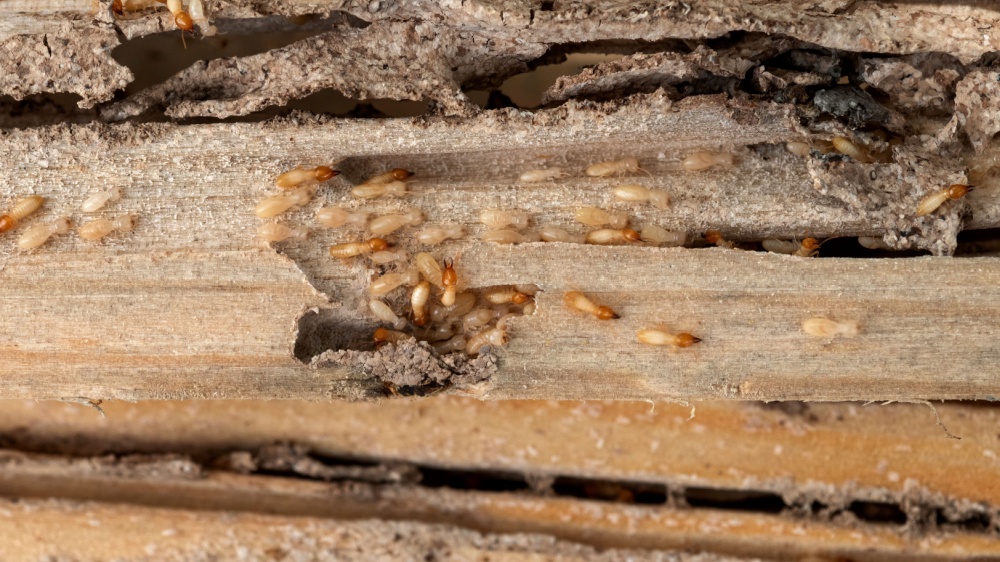
Spot treatment works well for a single drywood termite colony in a window frame, a piece of fascia, or an accessible attic rafter. It does not address infestations in areas that cannot be reached with direct application, and it does not treat colonies that have not yet been detected in other parts of the structure.
The cost of spot treatment varies based on the number of areas being treated and the accessibility of the infested wood, but it is significantly less than heat treatment or fumigation.
Heat treatment (thermal pest eradication)
Heat treatment raises the temperature inside a defined area of the structure—a room, a section, or, in some cases, the entire home—to levels that are lethal to termites (typically 120 to 140 degrees Fahrenheit in the wood). The elevated temperature penetrates the wood and kills termites at all life stages, including eggs.
Heat treatment is more expensive than spot treatment because it requires specialized heating equipment, monitoring sensors, and a crew to manage the process. The cost increases with the size of the area being treated. Heat treatment is effective against drywood termites in the treated zone and leaves no chemical residue—an advantage for homeowners with chemical sensitivities or environmental concerns.
The home must be vacated during treatment but can typically be reoccupied the same day once temperatures return to normal.
Fumigation (tenting)
Fumigation is the most comprehensive and most expensive termite treatment option. The entire structure is sealed under a tent, and a gas fumigant (typically sulfuryl fluoride) is introduced at concentrations lethal to all termites inside the structure. The gas penetrates every piece of wood in the home, including areas that are inaccessible to spot treatment or heat treatment.
Fumigation is recommended when drywood termite infestations are widespread, when colonies are located in areas that cannot be reached by other methods, or when the scope of infestation revealed by inspection warrants whole-structure treatment.
The cost of fumigation is based primarily on the cubic footage of the structure. A larger home costs more to tent and fumigate than a smaller one. The homeowner must vacate the property for two to three days during the fumigation and aeration process. Once the home is cleared for re-entry by the licensed fumigator, it is safe to reoccupy—the gas does not leave residue on surfaces.
Subterranean termite treatment
Subterranean termites live in the soil and require soil-based treatment—typically a liquid termiticide barrier applied around the foundation or a bait station system installed in the soil at intervals around the perimeter. These treatments are priced based on the linear footage of the foundation and the treatment method selected.
Repair Costs
If termite damage has occurred—and it usually has by the time homeowners discover an infestation—the cost of repairing or replacing damaged wood is separate from the treatment cost. Repair scope ranges from replacing a single piece of trim to more extensive structural work depending on how long the infestation has been active and how much wood has been consumed.
This is one of the strongest arguments for regular termite inspections. Catching an infestation early—when spot treatment and minor repair are sufficient—costs a fraction of what late-stage detection requires.
What Affects Your Specific Cost
The quote you receive for termite treatment at your San Diego County home will be based on:
- The termite species identified (drywood, subterranean, or both)
- The treatment method recommended based on the inspection findings
- The size of the structure (particularly relevant for fumigation and heat treatment)
- The number and accessibility of infested areas (relevant for spot treatment)
- Whether structural repair is needed
- Whether the treatment includes a warranty or ongoing monitoring
How to Evaluate a Termite Quote
When comparing quotes from different providers:
- Confirm the quote is based on a thorough, licensed inspection—not a quick visual assessment
- Ask which treatment method is being recommended and why
- Ask whether the quote includes a warranty, and what the warranty covers and for how long
- Determine whether repair is included or quoted separately
- Ask whether the company handles the full scope of work (inspection, treatment, and repair) or subcontracts any portion
- Verify the provider’s licensing—fumigation requires Branch 1 licensing in California
What Kennedy Pest Control Provides
Kennedy Pest Control offers free termite inspections for properties across San Diego County. The company provides the full range of treatment options—spot treatment, heat treatment, and fumigation—plus structural repair, all handled in-house by licensed professionals. BBB accredited with an A+ rating and trusted by San Diego real estate professionals for over 30 years of termite inspection and treatment work.
The company’s inspectors explain the findings, the treatment options, the costs, and the reasoning behind their recommendation before any work begins. No pressure, no surprises.
If you want to know what termite treatment will cost for your specific property, contact Kennedy Pest Control for a free inspection and estimate.