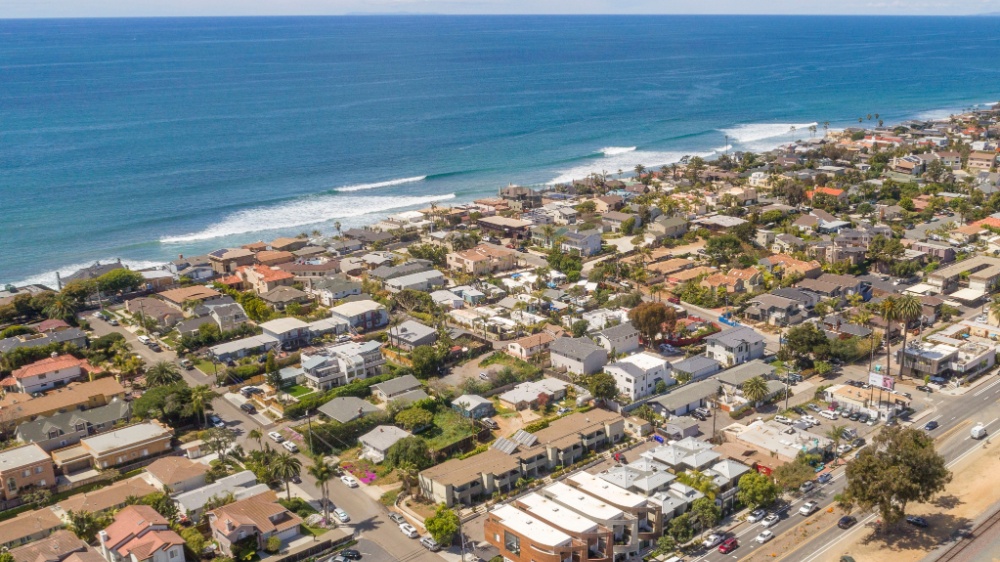
If you live close to the water in Encinitas—in Old Encinitas, Leucadia, Cardiff-by-the-Sea, or any of the neighborhoods within a mile or two of the coastline—you may have wondered whether living near the ocean makes pest problems worse. The short answer is that proximity to the coast does not create pest problems that do not exist inland. But it does amplify certain pressures and create conditions that make specific pest categories more persistent than they would be farther from the water. Here is how the coastal environment affects pest activity in Encinitas.
Humidity and the Marine Layer
The most significant coastal influence on pest activity is moisture. Homes within a few miles of the Encinitas shoreline experience the marine layer—the fog and low clouds that roll in from the ocean, particularly during late spring and early summer. This marine influence keeps humidity elevated near the coast even when inland areas are dry.
That elevated humidity affects pest dynamics in several ways:
- Wood stays damper: Eaves, fascia, window trim, and exterior wood surfaces near the coast retain more moisture than equivalent surfaces a few miles inland. That moisture makes the wood more attractive to drywood termites seeking entry points and to carpenter ants targeting softened wood. It also accelerates weathering, creating the rough, damaged surfaces that termite swarmers prefer for colonization.
- Soil stays moister: The marine influence keeps the soil near coastal foundations slightly more humid than inland soil, which supports denser ant colony networks closer to the home. Argentine ants thrive in moist soil, and the closer the colonies are to the foundation, the shorter the commute for foragers entering the home.
- Cockroaches and moisture pests benefit: Oriental cockroaches, earwigs, silverfish, and other moisture-dependent species are more active in the humid conditions near the coast than in the drier inland zones.
Mature Landscaping and Dense Vegetation
Many of Encinitas’s coastal neighborhoods were developed decades ago and feature mature trees, dense ornamental landscaping, established hedges, and ground covers that have been growing for years. This vegetation provides permanent harborage for pests—particularly roof rats, which nest in dense vegetation and access homes through tree branches contacting the roofline.
The combination of mature landscaping and coastal humidity creates a pest-supportive environment that is denser and more productive than the newer, sparer landscaping found in many inland developments.
Older Construction
The coastal neighborhoods of Encinitas include homes built across several decades—some dating to the 1960s and 1970s. Older wood-frame homes have had more time to develop the settling, gaps, and wood exposure that pests exploit. They have also had more years of exposure to salt air, which accelerates the deterioration of exterior wood surfaces. Every weathered board, cracked piece of trim, and opened gap is a potential entry point for pests or a potential colonization site for drywood termites.
Salt Air and Wood Degradation
Salt air does not directly attract pests, but it accelerates the degradation of exterior wood. Paint and sealant break down faster near the coast. Wood surfaces become rough, cracked, and porous sooner than they would inland. That degraded wood is easier for drywood termite swarmers to enter and easier for moisture to penetrate—creating the conditions that attract both termites and carpenter ants.
Regular maintenance of exterior wood surfaces—painting, sealing, and replacing damaged trim—is a pest prevention measure as much as it is a cosmetic one.
What Coastal Homeowners Can Do
The coastal pest pressures in Encinitas are real, but they are manageable with the right approach:
- Maintain exterior wood surfaces—keep paint and sealant intact to reduce termite entry points
- Trim trees and dense vegetation back from the roofline to reduce roof rat access
- Manage irrigation to avoid saturating the soil near the foundation
- Schedule annual termite inspections—drywood termites are more active and more prevalent near the coast
- Maintain consistent pest control service that accounts for the year-round pest activity the coastal climate produces
If you live near the Encinitas coast and want to know how the marine environment is affecting pest activity on your property, contact Kennedy Pest Control for a free inspection.