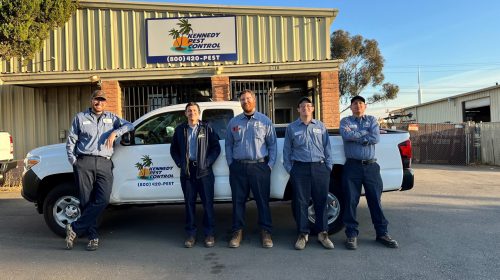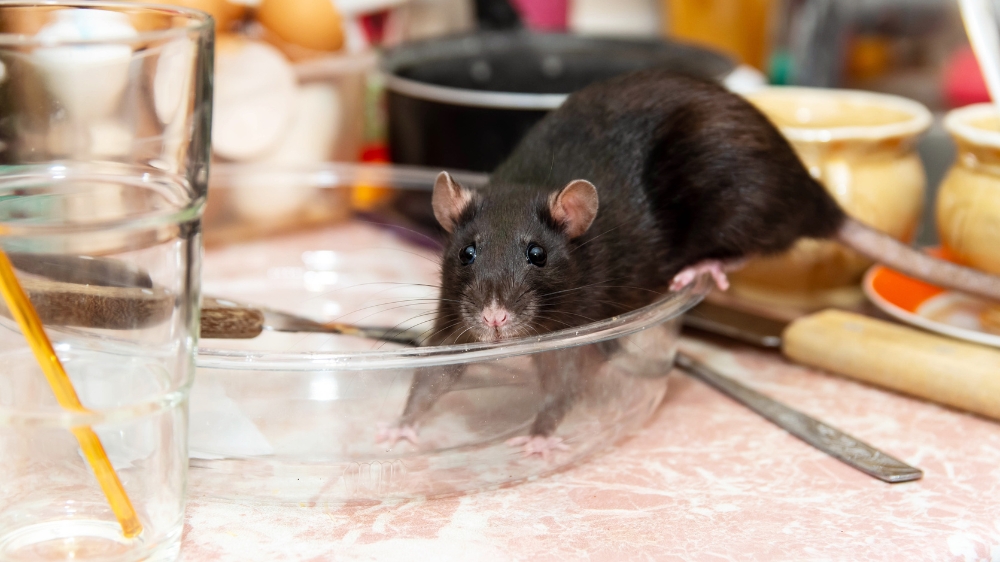
Rodents enter Carlsbad homes through gaps around garages, utility lines, vents, eaves, roof intersections, doors, and damaged exterior materials. Roof rats can also approach from trees, vines, fences, and overhead lines. Effective rodent control in Carlsbad pairs removal and monitoring with exclusion, sanitation, and landscape changes based on the routes present at your home. Our team at Kennedy Pest Control can help with every step of this process.
Small Openings Can Lead to Large Voids
A gap that looks minor from the yard may open into a wall, attic, cabinet base, or garage. Mice can squeeze through remarkably small spaces. Rats need a somewhat larger opening, but their climbing and gnawing ability gives them access to many parts of a structure. Corners and intersections deserve close attention because different materials can separate as a home ages.
Common lower-level routes include worn garage seals, gaps beneath exterior doors, pipe and cable penetrations, crawl-space vents, and openings where siding meets the foundation. Upper routes include damaged attic screens, roof returns, soffit gaps, tile edges, and branches that reach the roof. Carlsbad’s mature landscaping and mild coastal climate can support movement around a property during every season.
The Yard Often Explains the Indoor Activity
Rodents need food, water, shelter, and a way to travel without extended exposure. Fallen citrus or other fruit, bird feeders, outdoor pet food, open trash, dense ground cover, and stored materials can supply those needs. A shaded side yard with ivy, stacked lumber, and a dripping faucet may support activity close to an exterior opening.
Walk the property during daylight and look at connections. Follow fences to the roofline. Check whether shrubs conceal vents. Look beneath outdoor storage and around trash containers for droppings, gnawed material, greasy rub marks, or food remains. The likely route may begin well away from the room where you heard scratching.
Indoor Signs Help Narrow the Search
Droppings in a garage can point toward a door edge, stored food, or a wall opening. Sounds above the ceiling can shift attention to attic and roof access. Gnawed pantry packages may indicate travel through cabinet voids or openings around plumbing. An inspector combines those clues with species behavior instead of treating every sighting the same way.
Preserve useful evidence when you can do so safely. Photograph droppings before cleanup, note the time and location of sounds, and record where food or belongings were damaged. Keep people and pets away from traps or suspect waste. This information helps establish whether control measures are reaching the active route.
Exclusion Works Best as a Sequence
Durable rodent prevention uses materials suited to the opening and the surrounding construction. Door sweeps need to close the full gap without interfering with safe operation. Vent corrections must preserve necessary airflow. Roof and utility repairs must respect drainage, wiring, plumbing, and building components.
Active animals should be addressed as part of the exclusion schedule. Monitoring can show whether activity continues after control begins and whether a second route exists. An opening may also require work from a roofer, garage-door specialist, electrician, plumber, or general contractor. A clear inspection report helps you direct each correction to the right professional.
Daily Habits Support the Structural Work
Store pantry goods, bird seed, grass seed, and pet food in sturdy containers with secure lids. Feed pets during set times and bring remaining food indoors. Pick ripe fruit, remove fallen produce, close trash lids, and clean residue around recycling. Keep stored items elevated and organized so new droppings or gnawing are visible.
Trim trees and vines away from the structure, thin dense vegetation near walls, and maintain a visible inspection space where practical. Repair leaks and remove standing water. These actions reduce the rewards available near the house and make the perimeter easier to monitor.
Recheck the Home After Changes
Rodent activity may shift after pruning, cleanup, trapping, or repair work. Reinspect previously active locations and watch for fresh evidence. A quiet week can be encouraging, while a complete evaluation uses monitoring over an appropriate period. Weather, neighboring activity, construction, and food availability can alter travel routes.
Seasonal maintenance should include garage seals, screens, exterior penetrations, roof edges visible from the ground, and storage practices. A repeat problem often indicates an overlooked opening, a newly damaged material, or an attractant that remains accessible.
Keeping rodents out takes a connected view of the building and yard. When signs appear inside your Carlsbad home, contact Kennedy Pest Control for an inspection. We can trace the evidence, discuss control options, and recommend exclusion priorities suited to the property.