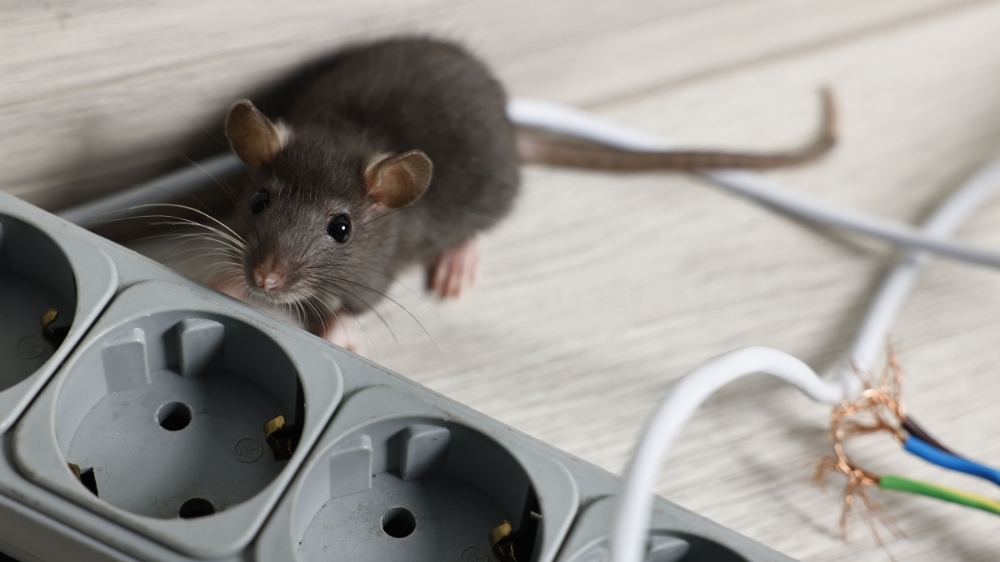
A rodent inspection before winter is a sensible step when your Escondido property has droppings, gnaw marks, nighttime sounds, damaged food packages, attic disturbance, or openings that may lead indoors. It can also help after nearby construction, heavy landscape growth, or repeated activity around garages and storage areas. Our rodent inspection service at Kennedy Pest Control is designed to identify evidence and help you understand the routes that need attention.
Winter Still Changes Rodent Behavior in Escondido
Southern California winters are mild compared with many parts of the country, but shorter days, cooler nights, seasonal rain, and changes in outdoor food can influence where rats and mice shelter. A garage, attic, crawl space, wall void, or shed offers a dry and protected location. Irrigation, fruiting trees, pet food, trash, and bird seed can keep a property attractive throughout the season.
An inspection is especially useful before activity becomes established in a difficult-to-reach void. Early evidence often appears along edges: a few droppings behind stored boxes, rub marks near a garage corner, gnawing on a food container, or light scratching above a bedroom. Recording the location and timing gives the inspector a stronger starting point.
What an Inspection Should Examine
The goal is to connect the evidence inside with conditions outside. A thorough visit may include accessible portions of the attic, garage, storage areas, crawl space, kitchen, utility penetrations, roofline, vents, doors, foundation edges, landscaping, and outbuildings. The exact scope depends on the property and safe access.
An inspector will look for:
- Droppings, urine staining, rub marks, tracks, and nesting material
- Gnawing on food packages, wiring, wood, plastic, or stored belongings
- Gaps around doors, pipes, vents, cables, roof intersections, and eaves
- Branches, vines, fences, or utility routes that connect with the structure
- Food and water sources, including fallen fruit, pet bowls, trash, and leaks
- Areas where clutter or dense vegetation conceals rodent movement
Evidence needs interpretation. Dropping size and shape, travel height, gnaw patterns, and the location of activity can help distinguish mice from rats. The inspector may also find old evidence that requires cleanup and monitoring before current activity can be confirmed.
A Quiet Attic Can Still Deserve Attention
Many people associate rodents with loud scratching, yet activity may remain subtle. Insulation can soften movement sounds, and rats may enter after the household is asleep. Attic evidence can include compressed pathways through insulation, droppings near roof edges, gnawed materials, nesting debris, or staining around an opening.
Use caution around attic insulation and droppings. Avoid sweeping or vacuuming dry waste in a way that sends particles into the air. Limited visibility, wiring, low framing, and unstable walking surfaces also make attics risky. A professional inspection can document accessible evidence and identify any cleanup or trade work that may be needed.
Inspection Comes Before a Durable Exclusion Plan
Rodent-proofing starts with the openings animals are actually using and the features that support those routes. Mice can use very small gaps, while rats take advantage of damaged vents, door corners, roof openings, and gaps around utilities. A property-specific evaluation connects the right exclusion material with the opening and surrounding construction.
The order of work is an important factor to consider. Closing every visible opening while an animal remains inside can create odor, damage, or movement into a new part of the structure. Control, monitoring, cleanup, and exclusion should follow a plan suited to the evidence. Some corrections may be completed during pest service, while roofing, electrical, drainage, or major construction conditions may require another qualified professional.
When a Preventive Inspection Is Worthwhile
Consider scheduling before winter when you have experienced a previous seasonal problem, recently bought the home, inherited stored belongings, or completed renovations that changed exterior access. Rental properties and homes left vacant for part of the year also benefit from a documented baseline. An inspection can identify maintenance priorities even when current rodent evidence is limited.
You can prepare by writing down sighting locations, leaving suspected evidence in place when safe, providing access to utility rooms and attic openings, and gathering prior service or repair records. Keep pets secured during the appointment and tell the office about difficult access when you schedule.
Use the Findings as a Working Plan
A useful inspection should leave you with clear next steps. Those may include trapping or other population control, monitoring, food-source reduction, landscape changes, sanitation, exclusion work, or a referral for repairs beyond the pest-control scope. Ask a pro from Kennedy Pest Control which recommendations address current evidence and which ones reduce future opportunity.
If you have heard movement, found droppings, or want a clearer picture before seasonal rain and cooler nights arrive, reach out to Kennedy Pest Control to schedule your Escondido rodent inspection. We will evaluate accessible areas, discuss what the evidence indicates, and help you prioritize control and exclusion work.