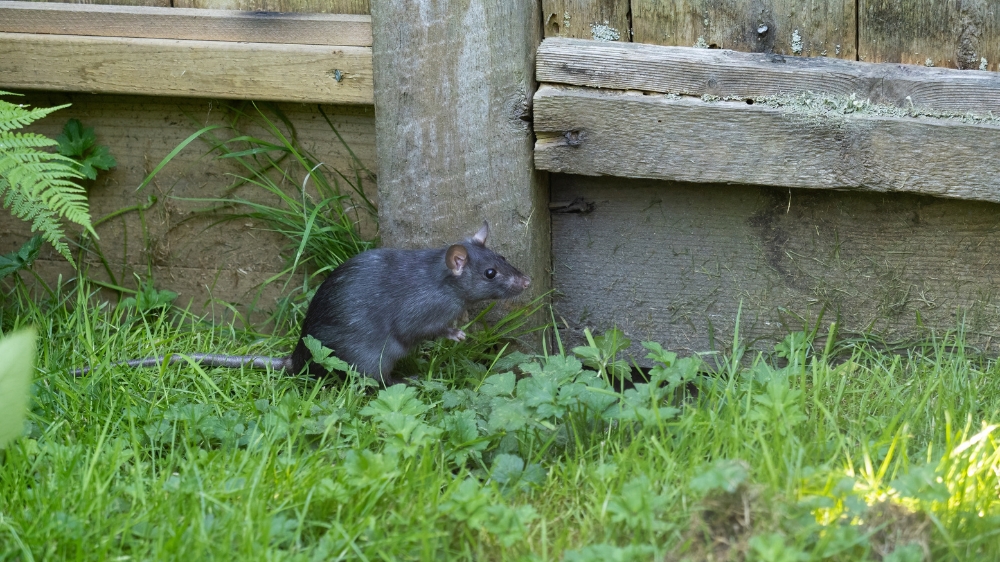
Palm trees and thick ivy can make an Encinitas yard attractive to roof rats by offering food, cover, nesting sites, and easy routes toward the house. Their placement and upkeep shape how comfortably rats can move across a property, while current evidence shows whether rodents are actively using them. Our rodent control services at Kennedy Pest Control begin with the evidence around your home so we can identify active routes and recommend practical corrections.
Why Roof Rats Fit the Coastal Landscape
Roof rats are agile climbers. They travel along fences, overhead lines, vines, branches, and roof edges, often spending much of their time above ground. An established landscape can function like a connected pathway when tree limbs touch a roof, vines cover a wall, or dense shrubs meet a fence line.
Encinitas also gives rats access to food throughout much of the year. Citrus, avocados, ornamental fruit, bird seed, pet food, snails, and unsecured trash can support activity. A roof rat may feed in one yard and shelter in another, so the source of an indoor problem may extend beyond the point where you first noticed evidence.
What Palm Trees Offer
Certain palms hold layers of old fronds, seed clusters, and fibrous material around the crown or trunk. Those protected pockets can provide secluded resting or nesting areas. Fallen fruit and seeds also create a food source below the canopy. A palm close to the roof gives a climbing rat a short route to eaves, vents, gutters, and tile edges.
Palm maintenance should focus on safe, appropriate pruning. A qualified tree professional can remove dead material and manage heavy seed production without damaging the tree. Over-pruning can weaken a palm and create a separate property concern, so use routine horticultural care instead of stripping the canopy.
Look at the space between each palm and the structure. Fronds that sweep the roof, trunks beside a balcony, and nearby fences can complete a travel route even when the tree never touches the building. The entire path deserves attention.
How Ivy Changes the Ground-Level Picture
Ivy creates cool, shaded cover at soil level and can conceal burrows, droppings, gnawed fruit, and stored snail shells. When it climbs a wall or fence, it also supplies grip and concealment on a vertical route. Dense growth around utility penetrations makes those openings harder to see during a routine walk around the home.
You can make ivy less useful to rodents by thinning it, keeping it away from the building, and exposing the base of walls for inspection. Focus on the sections near garages, vents, hose connections, utility lines, and roof supports. A visible perimeter makes fresh evidence easier to find and gives repair work adequate access.
Useful yard corrections often include:
- Pruning branches and vines back from the roof and upper walls
- Removing fallen fruit, nuts, seed pods, and accumulated palm debris
- Moving bird seed and pet food into sturdy, sealed containers
- Keeping wood, stored materials, and heavy ground cover away from exterior walls
- Closing trash containers and cleaning residue around outdoor eating areas
- Checking screens, vents, garage-door edges, and roof returns for openings
These steps work best when they follow an inspection. Fresh droppings, rub marks, gnawing, damaged fruit, and nighttime sounds can help distinguish an active route from a feature that merely looks vulnerable.
Follow the Route All the Way to the House
Landscape work reduces shelter and access, while structural exclusion addresses the final openings. Roof rats may enter through damaged vent screens, gaps at roof intersections, openings near utility lines, or garage doors that leave space at the corners. Tile roofs and complex eaves can create sheltered areas that require careful inspection from a safe position.
Seal work should account for any animals already inside. Trapping and monitoring should confirm removal before final exclusion closes an attic or wall route. Roof access also carries fall and damage risks. A pest professional from Kennedy Pest Control can inspect reachable areas and identify places that need attention from a roofer, tree professional, or another qualified trade.
Watch for Evidence After Yard Work
Pruning and cleanup may change established travel patterns. Continue checking the garage, attic access, outdoor storage, and fence lines for several weeks. Note where droppings reappear, when noises occur, and whether fruit or stored materials are disturbed. Photographs and a simple location record can make a follow-up inspection more precise.
Palm trees and ivy can remain part of an attractive coastal yard with deliberate maintenance and a clear buffer around the structure. If you are finding roof-rat signs or want help tracing a route from the landscape to your home, schedule an inspection with the Kennedy Pest Control team. We can evaluate the evidence, explain the next steps, and build a control plan around your Encinitas property.