
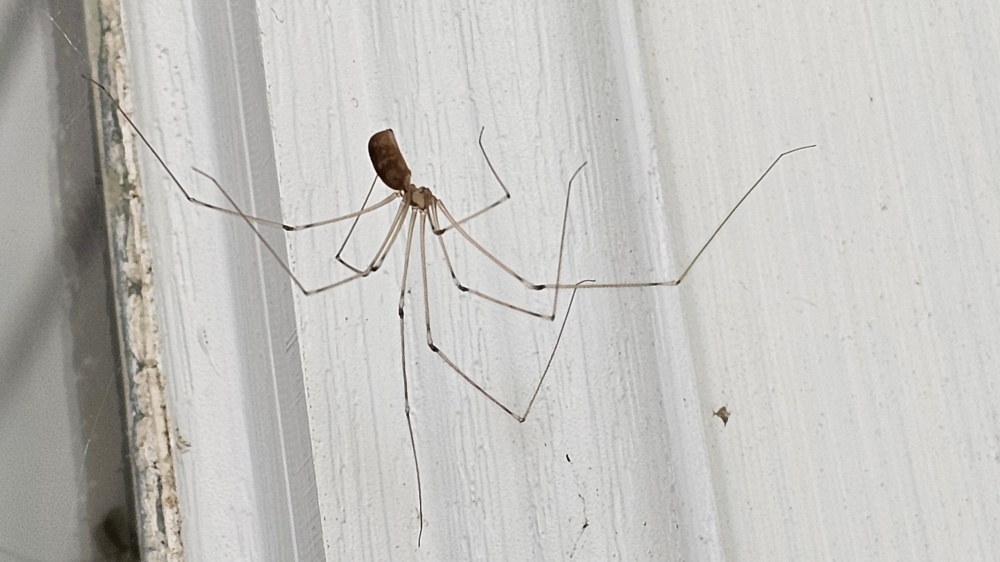
If spiders have become a regular presence in your Encinitas home—webs accumulating in the garage, cellar spiders hanging in every corner of the guest room, or the occasional black widow discovered near the meter box—the spiders are not there because your home is dirty or poorly maintained. They are there because your property is providing exactly what spiders need to survive and reproduce. Understanding what attracts them is the first step toward reducing their presence with professional spider control.
Insects Come First, Spiders Follow
The single biggest factor attracting spiders to any Encinitas home is the insect population on the property. Spiders are predators. They go where the food is. A property with a large population of ants, flies, mosquitoes, gnats, moths, and other small insects will sustain a correspondingly large spider population. A property where those insect populations have been professionally managed sustains far fewer spiders.
This is why spider control that focuses only on killing individual spiders or removing webs produces temporary results. The webs reappear because the spider population is sustained by the insect prey that remains untreated. The most effective long-term spider reduction comes from reducing the insect population that supports them, which is a byproduct of consistent, comprehensive pest control.
Exterior Lighting
Outdoor lighting is one of the strongest indirect spider attractants on any Encinitas property. Porch lights, landscape lighting, security lights, and decorative fixtures attract flying insects—moths, beetles, gnats, and others—that congregate around the light source after dark. Spiders build webs near these lights to intercept the insects. The result is heavy web accumulation around entry doors, under eaves near light fixtures, and along any exterior wall with nighttime illumination.
Switching to yellow or sodium vapor bulbs—which attract fewer insects than standard white bulbs—reduces the insect concentration near lighting and, over time, reduces the spider activity around those fixtures.
Sheltered Exterior Spaces
Spiders seek protected, undisturbed locations to build webs and shelter. In Encinitas homes, the most common harborage areas include garages (particularly cluttered garages with stored boxes and equipment), meter boxes and electrical panels, under outdoor furniture, inside block wall crevices, in stacked firewood or lumber, around irrigation valve boxes, and in dense ground cover plantings near the foundation.
Black widows—the medically significant species in Encinitas—are particularly drawn to dark, undisturbed, ground-level locations. Garages, storage areas, and the spaces behind or beneath items that rarely move are prime black widow habitat.
Reducing clutter in garages, pulling stored items away from walls, and eliminating ground-level harborage near the foundation make the property less attractive to spiders—and make inspecting for black widows easier and safer.
Dense Vegetation and Landscaping
Mature landscaping, dense shrub masses, ivy ground cover, and overgrown vegetation near the home provide both spider habitat and the insect populations they feed on. Encinitas’s established neighborhoods often feature decades-old landscaping that has grown into dense masses directly adjacent to the home, creating a pest-supportive environment within arm’s reach of entry points.
Trimming vegetation back from the home, reducing ground cover density near the foundation, and managing ivy and other creeping plants that create undisturbed harborage all reduce spider presence over time.
Year-Round Warmth
In colder climates, spider populations decrease substantially during winter as cold temperatures kill exposed individuals and reduce the insect prey they depend on. Encinitas does not get that seasonal reduction. Spiders remain active year-round in the mild coastal climate, and the insect populations that sustain them never experience a meaningful winter die-off. That year-round activity is why spider webs reappear so quickly after removal and why professional treatment that maintains a consistent barrier produces better results than periodic DIY removal.
What Actually Reduces Spider Activity
The combination that works in Encinitas:
- Professional pest control that reduces the insect population spiders feed on—this is the foundation of lasting spider reduction
- Exterior barrier treatment that intercepts spiders at the perimeter before they enter the home
- Cobweb removal during service visits to eliminate established webs and egg sacs
- Reduced exterior lighting or bulb changes that decrease the insect concentration near entry points
- Clutter reduction in garages and storage areas to eliminate sheltered harborage
- Vegetation management near the foundation to reduce spider habitat adjacent to the home
Kennedy Pest Control addresses spider activity as part of its comprehensive pest management programs. Reducing the insect populations that spiders depend on, treating the perimeter, and removing webs during each visit provides the sustained reduction that web removal alone cannot deliver. Free inspections available.
If spiders have become a persistent problem in your Encinitas home, contact Kennedy Pest Control for a free inspection and find out what is attracting them.


